The Ultimate Guide to Interior Design in 2025
Jul 2, 2025
Transform Your Living Space with Timeless Style and Expert Insights
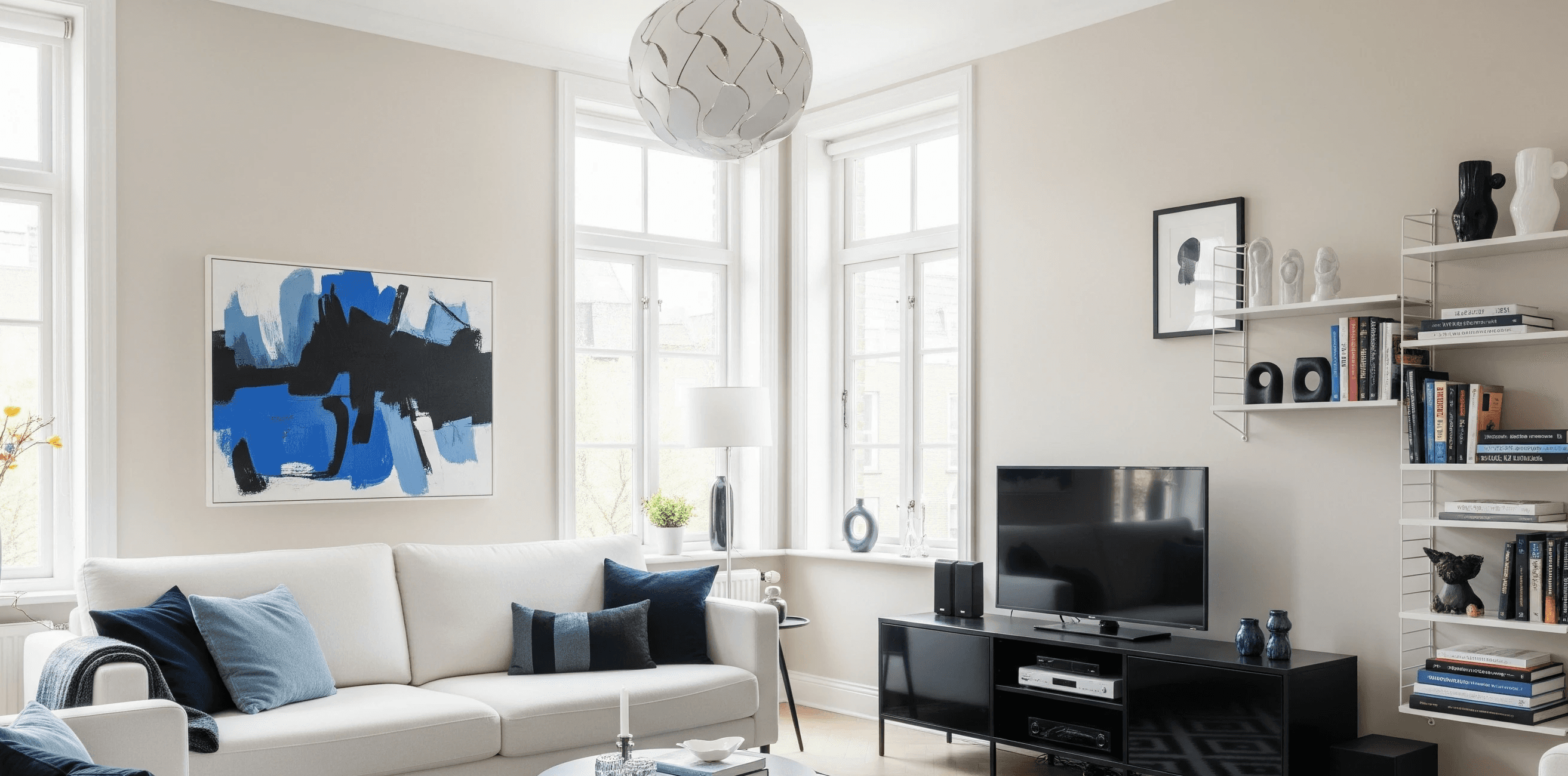
Have you ever walked into a room and immediately felt a sense of calm, inspiration, or sheer comfort? That feeling isn't accidental; it's the result of thoughtful interior design. Your home is more than just a collection of rooms; it's a reflection of who you are, a sanctuary where memories are made, and a canvas for your personal story. At Veneza Interiors, we believe that creating truly exceptional living spaces involves understanding fundamental principles that go beyond fleeting trends, leading to a home that is both beautiful and deeply functional. In this guide, we'll explore the core elements of interior design, offering design tips to help you embark on your own decorating journey and achieve a space you'll truly love.
Step 1: Discovering Your Unique Aesthetic
The first and most crucial step in any successful design project is to understand your desired aesthetic. Before diving into paint swatches or furniture catalogs, take time to reflect on what truly resonates with you. What colors make you feel relaxed or energized? What textures do you gravitate towards? Do you prefer the sleek lines of modern interiors, the cozy warmth of traditional styles, or the eclectic charm of bohemian decorating styles? As interior design experts often say, "Your home should be the story of who you are, and a collection of what you love."
Gathering inspiration from diverse sources like interior design magazines, online platforms such as Pinterest and Houzz, and even places you visit – be it a boutique hotel or a favorite cafe – can help you pinpoint your preferences. Create a mood board, either physical or digital, to visually compile images, colors, and textures that appeal to you. Remember, your home should be a personalized space that tells your story, not just mimic a picture from a magazine. Identifying your core style will serve as your compass, guiding every decision you make and ensuring a cohesive and authentic outcome that truly feels like yours.
Step 2: The Art of Space Planning
Once you have a clearer vision of your desired aesthetic, the foundation of any well-designed room lies in effective space planning. This crucial step involves strategically arranging furniture and defining pathways to optimize flow and functionality. Consider how you use each room: is it primarily for relaxation, entertaining guests, working from home, or a combination of activities? A well-planned layout ensures that furniture is appropriately scaled for the room, avoiding overcrowding that makes a space feel cramped, or leaving vast empty areas that feel cold and uninviting.
For instance, in a living room, creating distinct zones for conversation around a coffee table, a dedicated reading nook with an armchair and lamp, or a media viewing area can enhance usability without sacrificing style. "Good design is obvious. Great design is transparent," a common design adage suggests, implying that when space planning is done well, it feels natural and effortless. Thoughtful space planning can dramatically impact how comfortable and efficient your home feels, transforming even challenging layouts into harmonious environments that maximize every square foot.
Step 3: The Psychology of Color
Next, let's talk about the transformative power of color. More than just a visual choice, color profoundly impacts mood and perception within a space, a concept known as color psychology. Cool tones like blues and greens often evoke a sense of calm, tranquility, and expansiveness, making them ideal for bedrooms or bathrooms, creating serene spaces conducive to relaxation. For example, a soft sage green in a bedroom can promote restful sleep.
Warm tones such as reds, oranges, and yellows can inject energy, vibrancy, and a sense of coziness, perfect for social areas like living rooms or dining rooms where conversation and activity are encouraged. A touch of terracotta can add warmth and character to a dining area. Neutral palettes, including whites, grays, and beiges, offer a timeless and versatile backdrop, allowing textures, artwork, and accent pieces to truly shine, and providing flexibility for future decor changes without a complete overhaul. Understanding how different colors interact and affect emotions is key to creating the desired atmosphere in each area of your home, setting the perfect stage for your daily life.
Step 4: Texture and Materiality: Adding Depth
Beyond color, texture and materiality are vital elements that add depth, warmth, and character to any interior, engaging our sense of touch and sight. Imagine the stark difference between a smooth, polished concrete floor and a plush, shaggy wool rug – each evokes a distinct sensation and contributes uniquely to the room's ambiance. Incorporating a variety of textures, such as soft fabrics like velvet or linen, rough natural wood, gleaming metals like brass or chrome, and tactile ceramics, creates rich visual interest and makes a room feel more inviting and layered.
For example, a sleek, modern sofa can be softened and made more inviting with the addition of a chunky knit throw and some textured linen cushions. Similarly, a minimalist space, which might otherwise feel cold, can gain significant warmth and character from a natural stone accent wall or a handcrafted wooden coffee table. The thoughtful selection and combination of materials not only enhance the aesthetic but also contribute to the tactile experience of your living spaces, making them feel rich, engaging, and undeniably comfortable.
Step 5: Illuminating Your Space: The Power of Lighting
Often considered the unsung hero of interior design, lighting design is paramount to setting the mood, defining zones, and highlighting architectural features or focal points. A well-lit room expertly utilizes a combination of three types of lighting to create depth and versatility:
Ambient lighting: Provides overall illumination, typically from ceiling fixtures like recessed lights, chandeliers, or flush mounts. This is your general light source.
Task lighting: Focuses light on specific activities, such as a reading lamp beside an armchair, under-cabinet lighting in a kitchen for meal prep, or a desk lamp in a home office.
Accent lighting: Draws attention to specific focal points, such as illuminating artwork with picture lights, highlighting a textured wall, or emphasizing a decorative object with spotlights.
Layering these types of lighting allows for flexibility and creates depth, transforming the atmosphere from bright and functional during the day to cozy and intimate in the evening with the flick of a switch. Natural light should also be maximized whenever possible, as it enhances mood, reduces energy consumption, and makes spaces feel larger and more inviting. Strategic placement of mirrors can also help bounce natural light deeper into a room.
Step 6: Furniture and Accessories: The Finishing Touches
When it comes to furniture selection, prioritize pieces that are both beautiful and align with functional design. Each item should serve a purpose and fit seamlessly within your overall layout. Consider scale – oversized furniture can overwhelm a small room, making it feel cramped, while tiny pieces can get lost and appear insignificant in a large one. Investing in high-quality, versatile pieces that can adapt to evolving needs and styles is a smart long-term strategy, ensuring longevity and value.
Accessories, from captivating artwork and unique decorative objects to plush cushions and inviting throws, are the final touches that infuse personality and truly complete your home decor. They offer an invaluable opportunity to express your individuality, introduce pops of color, or bring in unique textures without a major commitment. For instance, a plain sofa can be completely transformed by a carefully chosen collection of throw pillows, or an empty wall can become a focal point with a gallery of personal photographs or a striking piece of art. These details are what make a house feel like a home.
Step 7: Beyond Aesthetics: Sustainability and Authenticity
Ultimately, the goal of interior design is to create a personalized space that truly feels like home. This involves embracing authenticity, allowing your personality to shine through in your choices, and not being afraid to mix and match elements that you genuinely love, even if they don't strictly adhere to one style. As architect Frank Lloyd Wright famously said, "Form follows function – that has been misunderstood. Form and function should be one, joined in a spiritual union." This speaks to the holistic nature of a truly well-designed space.
Consider incorporating elements of sustainable design, a growing imperative in 2025. This might involve choosing eco-friendly materials, opting for furniture made from recycled or rapidly renewable resources, upcycling vintage finds to give them new life, or supporting local artisans whose craftsmanship often involves sustainable practices. These conscious choices not only benefit the environment but also add unique character, a sense of integrity, and a deeper story to your home.
At Veneza Interiors, we are passionate about guiding you through this exciting process. Whether you're embarking on a full home renovation or simply looking to refresh a single room, our expertise in various interior design styles and our commitment to functional, beautiful design can help you achieve your vision. We translate complex design principles into practical solutions, ensuring your home is a perfect blend of style, comfort, and personal expression. Ready to transform your space and craft a home that truly tells your story? Contact Veneza Interiors today for a personalized consultation tailored to your unique needs and discover the endless possibilities for your modern interiors.